
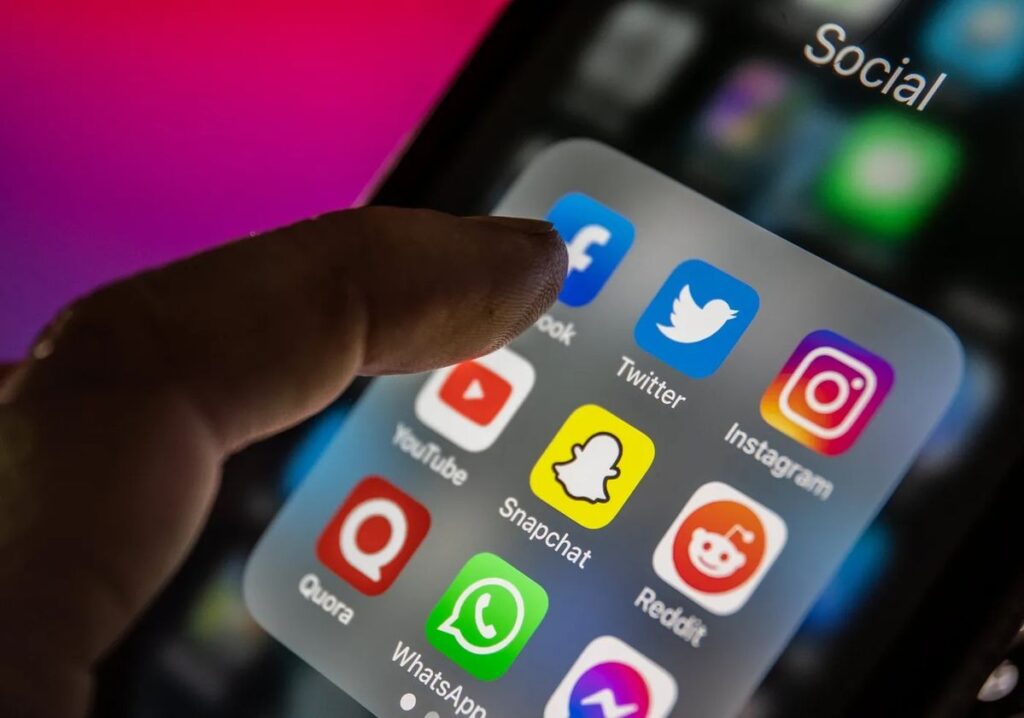
The Paradox of Connection: How Social Media Fuels Depression—and Why Stepping Away Matters
The modern digital ecosystem promises connection, visibility, and influence. Platforms like Instagram and TikTok have engineered environments where attention is currency and self-presentation is performance. Yet beneath this architecture lies a psychological cost that is increasingly difficult to ignore.
The Manufactured Self and the Rise of Digital Exhibitionism
At the core of Instagram and TikTok is a system that rewards visibility through exaggeration. Users are incentivized to curate, distort, and amplify aspects of their lives to fit algorithmic expectations. This often devolves into what can be described as digital exhibitionism: the commodification of one’s body, lifestyle, and even emotional states for engagement.
The issue is not mere self-expression. It is the systemic pressure to transform identity into spectacle. The metrics—likes, shares, comments—become proxies for self-worth. Over time, individuals internalize these signals, leading to a fragile sense of validation that depends on external approval.
This creates a feedback loop:
- Post content → Receive validation → Temporary satisfaction
- Reduced engagement → Perceived rejection → Anxiety and self-doubt
The outcome is predictable: chronic comparison, distorted self-image, and emotional volatility.
Algorithmic Comparison and Cognitive Overload
Both Instagram and TikTok operate on highly optimized recommendation systems designed to maximize user retention. These algorithms do not prioritize well-being; they prioritize engagement. As a result, users are exposed to an endless stream of idealized bodies, curated lifestyles, and extreme success narratives.
The human brain is not calibrated for this scale of comparison. Historically, social comparison occurred within small, localized groups. Now, individuals compare themselves against global outliers—people selected precisely because they are exceptional or provocative.
This leads to:
- Perceived inadequacy
- Fear of missing out (FOMO)
- Reduced attention span due to rapid content cycles
The constant cognitive switching—scrolling, reacting, consuming—fragments attention and undermines deeper forms of thinking.
Depression as a Structural Outcome
The depressive effects associated with these platforms are not incidental. They are structural. When identity is externalized, comparison is constant, and attention is fragmented, the psychological baseline shifts.
Common patterns include:
- Emotional dependency on engagement metrics
- Sleep disruption from late-night consumption
- Reduced real-world social interaction
- Increased anxiety tied to digital presence
The paradox is clear: platforms designed to connect people often intensify isolation.
The Case for Disengagement
Reducing or eliminating social media use produces measurable cognitive and emotional benefits. The absence of constant stimuli allows the mind to recalibrate.
Key improvements include:
- Restoration of attention span
- Reduced social comparison
- Stabilization of mood
- Increased presence in offline interactions
Without the pressure to perform, identity becomes less reactive and more internally grounded.
Importantly, disengagement is not deprivation. It is the removal of artificial stimuli that distort perception.
Why LinkedIn Represents a Different Model
Not all social platforms operate on the same psychological incentives. LinkedIn, while not without flaws, is structurally different.
Its core characteristics:
- Emphasis on professional identity rather than physical appearance
- Value derived from skills, experience, and insights
- Lower emphasis on aesthetic perfection
- Content oriented toward knowledge exchange and career development
While performative behavior still exists, it is constrained by professional norms. The incentive structure shifts from “being seen” to “being credible.”
This reduces some of the more damaging comparison dynamics found on visually-driven platforms. Instead of competing on lifestyle or attractiveness, users engage on competence and expertise.
Reframing Digital Presence
The critical issue is not technology itself but the incentive structures embedded within it. Platforms like Instagram and TikTok amplify superficial metrics and reward exhibitionist behavior, leading to psychological strain. LinkedIn, despite imperfections, aligns more closely with functional value creation.
A more rational approach to digital life involves:
- Selective platform use based on utility, not habit
- Awareness of algorithmic manipulation
- Prioritization of offline identity and relationships
The objective is not total withdrawal, but controlled engagement.
Conclusion
The current social media landscape operates on attention extraction and identity distortion. Depression, anxiety, and dissatisfaction are not side effects—they are predictable outcomes of systems designed to maximize engagement at any cost.
Stepping away from platforms like Instagram and TikTok is not a rejection of modernity. It is a strategic decision to reclaim cognitive autonomy and psychological stability.
The question is no longer whether these platforms influence mental health. The question is whether continued participation, under current conditions, is rational.